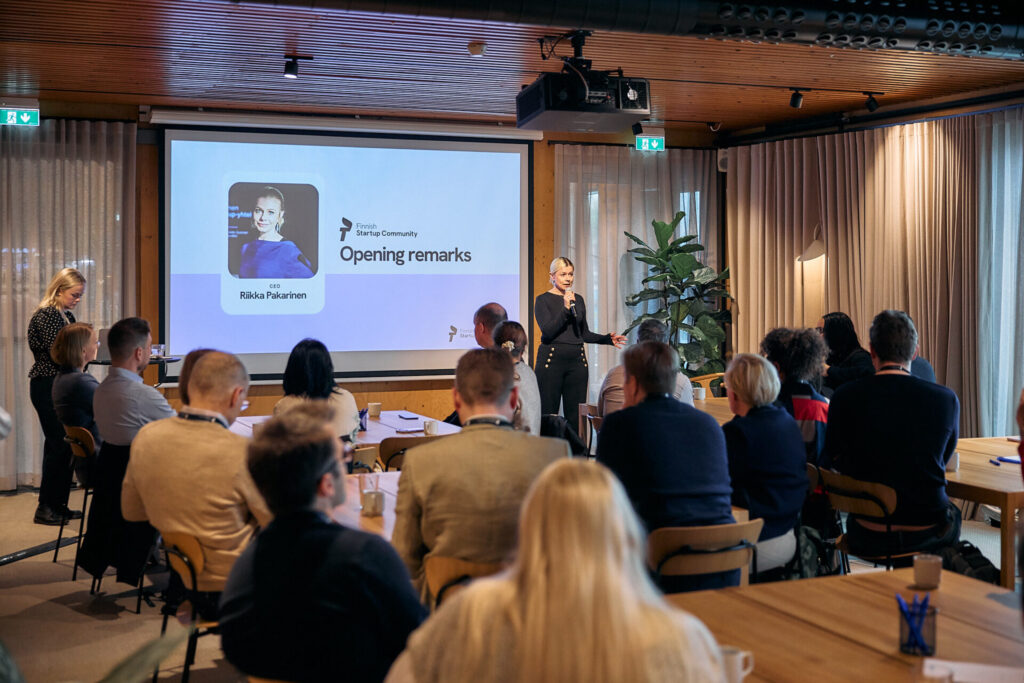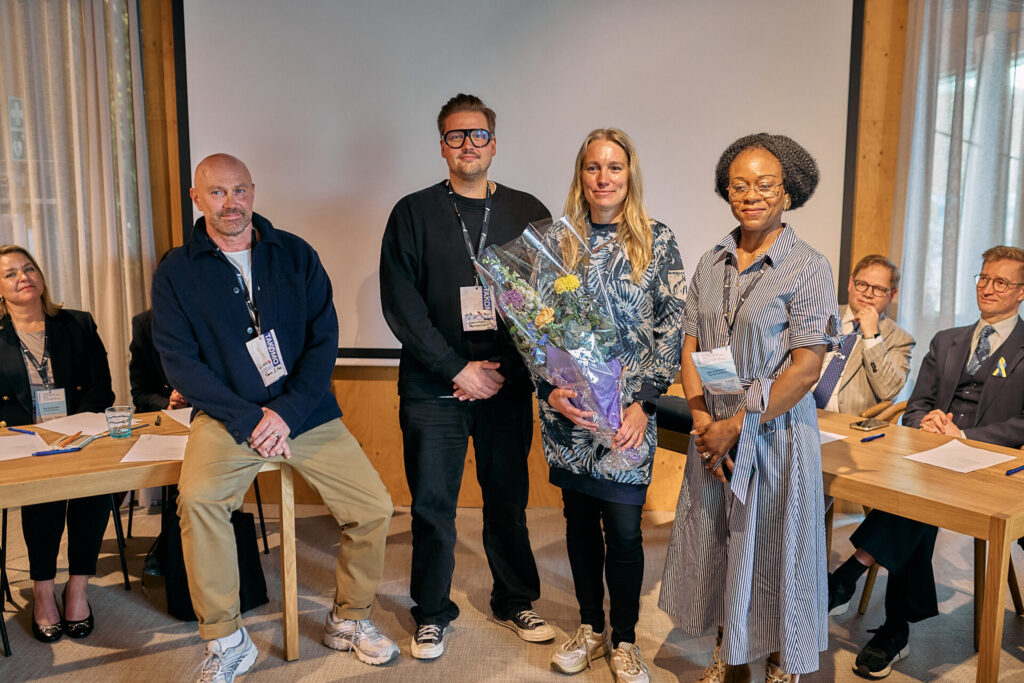
Industry actors are proposing a more flexible immigration model for Finland, new incentives for startup investment, and stronger incentives for commercialising research. The proposals were developed during the TAKOMO policy hackathon, where around 100 startup founders, investors and ecosystem actors worked on solutions to key growth barriers facing the startup ecosystem.
The TAKOMO policy hackathon, organised by the Finnish Startup Community, brought together ecosystem actors to develop concrete policy proposals. During the intensive half-day event, the ideas emerged directly from the everyday realities faced by startups.
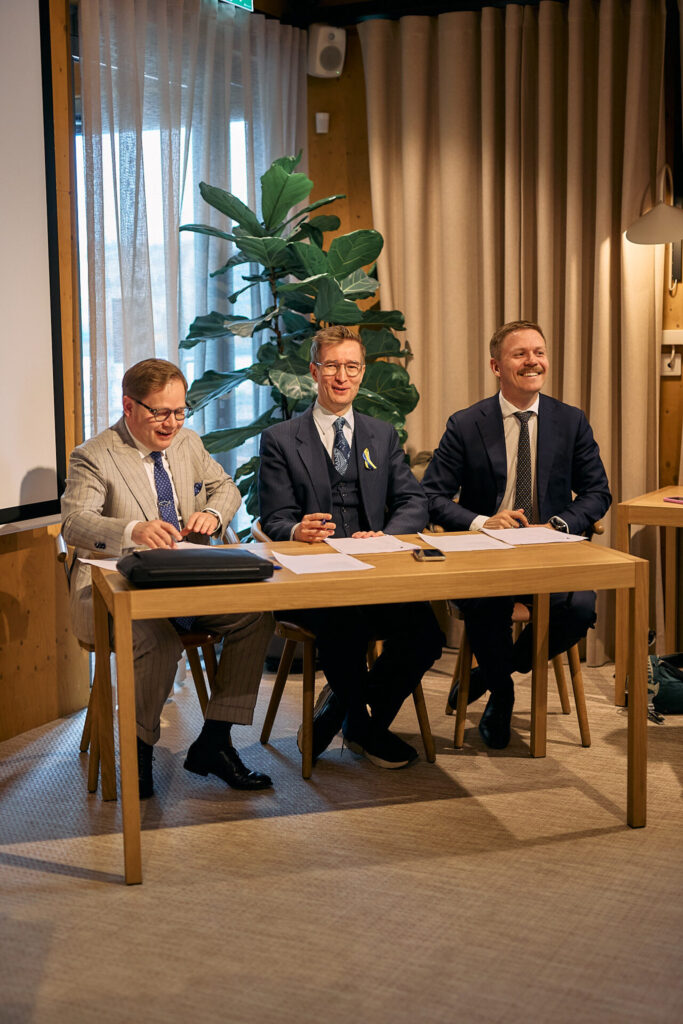
The event culminated in a pitching session where proposals were presented to a panel that included Members of Parliament Nasima Razmyar, Markus Lohi and Oras Tynkkynen, Espoo City Councillor Henrik Vuornos, and investor Inka Mero.
“We wanted to experiment with a new way of doing startup advocacy. Startups understand growth challenges exceptionally well because they deal with them every day. At the same time, they are used to finding solutions quickly and creatively. This kind of expertise should be utilised much more in policy preparation,” says Riikka Pakarinen, CEO of the Finnish Startup Community.
During the hackathon, multidisciplinary teams developed solutions to three key challenges facing the startup ecosystem: access to international talent, financing for growth companies, and the commercialisation of research.
“The atmosphere throughout the day was extremely energetic and solution-oriented. We saw a large number of interesting and ambitious proposals. It was inspiring to see how quickly the startup ecosystem can build concrete solutions to difficult growth challenges,” says investor Inka Mero.
Industry actors proposed solutions to three key growth barriers
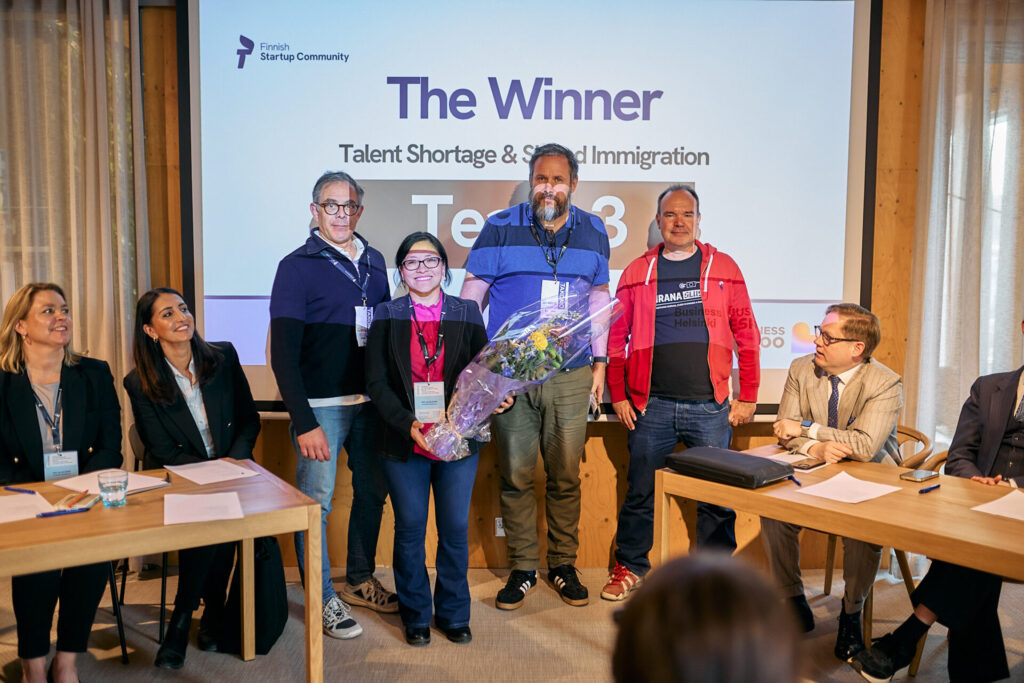
The winning proposal in the immigration track was “Year of Choice”, which suggested a single-permit model for international talent moving to Finland. Under the model, individuals could flexibly work, study or build a company without the current heavy transitions between different permit categories. According to the team, the current system is too rigid in situations where many international professionals do not yet know which path they will ultimately pursue in Finland.
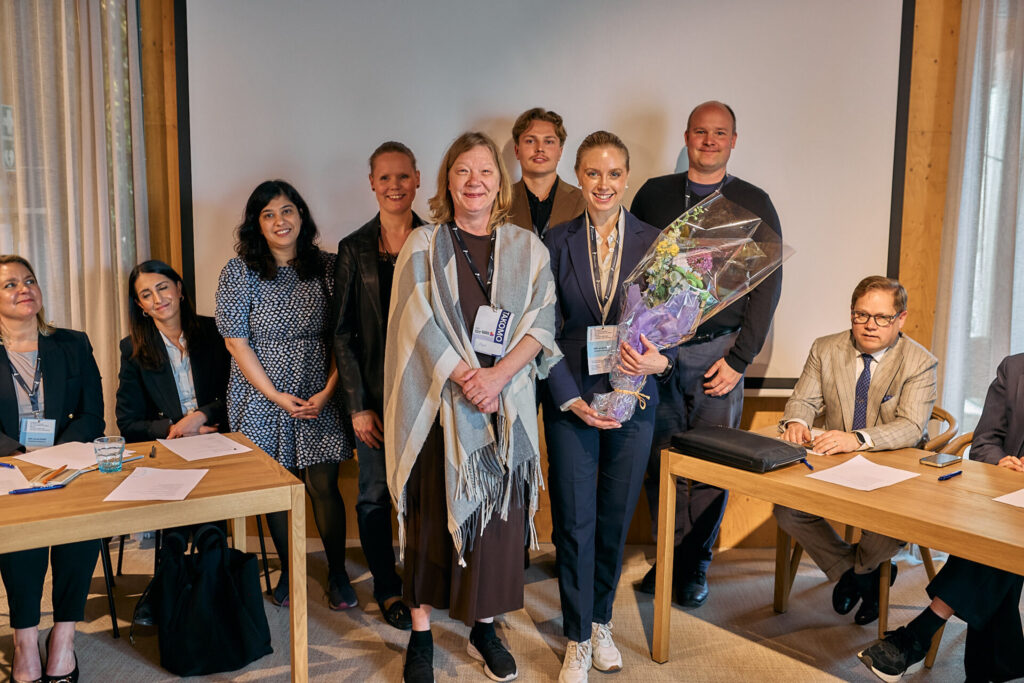
The winning proposal in the growth financing track focused on recycling capital generated through startup exits back into new growth companies. The proposal included tax incentives for reinvesting proceeds from company sales into startup companies. According to the group, Finland needs more early-stage capital and stronger incentives for long-term risk-taking.
The winning proposal in the research commercialisation track focused on incentives for universities. The group proposed that the commercialisation of research and the creation of spinout companies should play a stronger role in university funding models. The aim would be to accelerate the transformation of research into new companies and economic growth.
Several other proposals also emerged from the pitches, including ideas related to attracting international talent, making it easier for startups to hire their first employees, and accelerating the commercialisation of research.
“There was an unusually high level of concreteness and feasibility in the ideas. It was impressive to see how directly the proposals stemmed from the startup ecosystem’s practical experience, and how some of them could potentially move into political preparation very quickly,” says Member of Parliament Markus Lohi.
The Finnish Startup Community will compile the proposals for further development and continue advancing them in discussions with decision-makers.
See the policy proposals presented at TAKOMO.